

Have you ever noticed a strange taste in your mouth that won’t go away? Or does food not taste as flavourful as it once did? While most people associate taste loss with aging or sinus issues, few realize dental health is crucial in perceiving flavours. From gum disease to dry mouth, various oral health conditions can interfere with your sense of taste.
Understanding how oral health impacts taste perception can help you maintain a healthy mouth and give you a more enjoyable eating experience. This article explores the surprising connection between dental health and taste, common causes of taste disturbances, and how to preserve your ability to savour every bite.
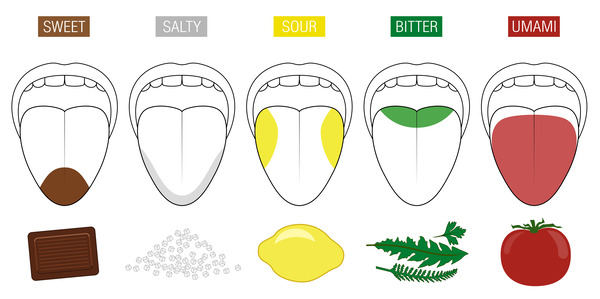
How the Sense of Taste Works
Taste is a complex process that involves the tongue, taste buds, nerves, and brain. The five primary tastes—sweet, sour, salty, bitter, and umami—are detected by taste buds located on the tongue, soft palate, and throat. These taste buds send signals to the brain via nerves, allowing us to recognize flavours.
Salvia plays a crucial role in taste perception by dissolving food particles and transporting them to taste receptors. If something disrupts this process, such as poor oral hygiene or dental problems, it can alter how we perceive flavours.
Common Dental Issues That Affect Taste
Several oral health conditions can interfere with taste perception, including:
Gum Disease and Infections
Gum disease, or periodontal disease, is caused by bacterial buildup and inflammation in the gums. Gum disease can damage the nerves responsible for transmitting taste signals to the brain. Additionally, the bacteria associated with gum infections can produce unpleasant tastes in the mouth, such as a persistent metallic or sour flavour.
Dry Mouth and Its Impact on Taste
Saliva is critical for dissolving food and allowing taste buds to function correctly. Dry mouth occurs when the salivary glands do not produce enough saliva. This condition can lead to a diminished sense of taste, making food seem bland or unpleasant.
Common causes of dry mouth include:
– Certain medical conditions like diabetes
– Medication
– Dehydration
– Smoking

Cavities and Tooth Decay
Untreated cavities and bacterial infections in the teeth can contribute to taste disturbances. The accumulation of bacteria in decayed teeth can lead to a foul taste in the mouth, affecting how flavours are perceived.
Oral Thrush and Fungal Infections
Oral thrush is a fungal infection caused by an overgrowth of Candida yeast in the mouth. This condition can cause white patches on the tongue and inner cheeks, often accompanied by a bitter or metallic taste. People with weakened immune systems, diabetes, or those taking antibiotics are more susceptible to oral thrush.
Dental Procedures and Their Effects on Taste
Sometimes, dental treatments can temporarily alter taste perception. Here’s how:
Tooth Extractions and Fillings
It’s common to experience a temporary change in taste after a tooth extraction due to nerve involvement or gum inflammation. Similarly, some people notice a metallic taste after getting dental fillings, especially if metal-based materials are used.
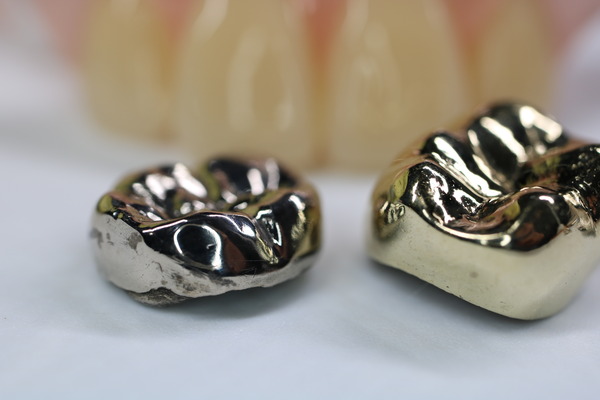
Metal Crowns, Fillings, and Restorations
Older dental work that contains metals, such as silver amalgam fillings, can sometimes cause a metallic taste. Modern alternatives, like composite resin and ceramic, minimize this issue.
Teeth Whitening Treatments
Professional teeth whitening treatments use bleaching agents that can temporarily affect taste buds. Some patients report a lingering chemical taste after whitening, which usually fades within a few hours.
How Poor Oral Hygiene Can Lead to Taste Disorders
Neglecting oral hygiene can result in bacterial buildup, plaque accumulation, and infections, all of which can interfere with taste. Here’s how poor oral care contributes to taste disorders:
- Plaque buildup can harbour bacteria that produce foul odours and affect the taste.
- Failing to brush and floss allows bacteria to thrive, leading to gum inflammation and infections.
- Persistent bad breath often accompanies altered taste perception.
Regular brushing, flossing, and dental checkups help prevent these issues and support a healthy sense of taste.
Systemic Health Conditions That Link Oral Health and Taste Loss
Certain medical conditions that affect oral health can also impact taste perception:
Neurological Disorders: Conditions like Alzheimer’s and Parkinson’s disease can interfere with the brain’s ability to process taste signals.
Diabetes: High blood sugar levels can lead to dry mouth and an increased risk of gum disease, which can affect taste.
Vitamin Deficiencies: B12, zinc, and iron deficiencies can alter taste perception and contribute to oral health problems.
How to Maintain Good Oral Health to Preserve Taste
Protecting your oral health is key to maintaining a strong sense of taste. Follow these tips:
Practice Good Oral Hygiene
– Brush twice a day with fluoride toothpaste.
– Floss daily to remove food particles and bacteria
– Use an antibacterial mouthwash to reduce plaque buildup
Stay Hydrated
Drinking plenty of water helps prevent dry mouth and ensures saliva production remains optimal for taste perception.
Schedule Regular Dental Checkups
Visiting us every six months allows for early detection of dental issues that could affect taste.
Avoid Smoking and Excessive Alcohol Consumption
Smoking and alcohol can both contribute to taste disturbances and dry mouth. Quitting smoking and limiting alcohol intake can help restore taste sensitivity.
Eat a Balanced Diet
Consuming foods rich in vitamins and minerals supports oral health and taste function. Vitamin B12, zinc, and iron are particularly important.

Your sense of taste is closely linked to your dental health. Conditions such as gum disease, dry mouth, cavities, and poor oral hygiene can all impact how you experience flavours. Even dental procedures and materials can temporally alter taste perception.
You can protect your sense of taste and overall oral health by maintaining good oral hygiene, staying hydrated, and scheduling regular dental checkups. If you’ve noticed a change in how food tastes, it might be time to visit Dr. Amanda and the team.
At Nanton Dental, we’re here to help you maintain a healthy smile and ensure your taste buds stay in top shape. Book an appointment today to take the first step toward better oral and sensory health. Contact us today at (403) 646-2465 or book online to schedule an appointment.