

Oral cancer is a serious but often overlooked health concern. While many people associate cancer with obvious symptoms like persistent mouth sores or noticeable lumps, some warning signs are far more subtle. These lesser-known symptoms can easily be mistaken for minor issues, leading to delayed diagnosis and treatment.
At Nanton Dental, we emphasize early detection because spotting oral cancer in its early stages significantly increases the chances of successful treatments. In this blog, we’ll cover some surprising symptoms of oral cancer that many people ignore and why regular dental checkups play a crucial role in detecting potential issues before they become severe.
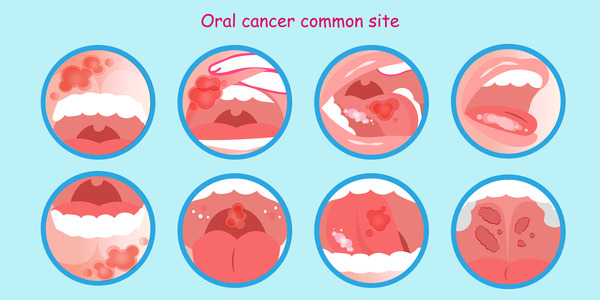
What is Oral Cancer?
Oral cancer refers to any cancerous growth in the mouth, lips, tongue, gums, cheeks, the floor or roof of the mouth. It can also extend to the throat, known as oropharyngeal cancer. According to the Oral Cancer Foundation, oral cancers have a high mortality rate because they are often detected late, making early diagnosis critical.
The main risk factors for oral cancer include:
- Tobacco use (smoking cigarettes, vapes, chewing tobacco)
- Excessive alcohol consumption
- HPV
- Prolonged sun exposure (for lip cancer)
- A family history of oral cancer
- A poor diet lacking in fruits and vegetables
Oral cancer can develop in anyone, even those without these risk factors, making it important to recognize the signs.
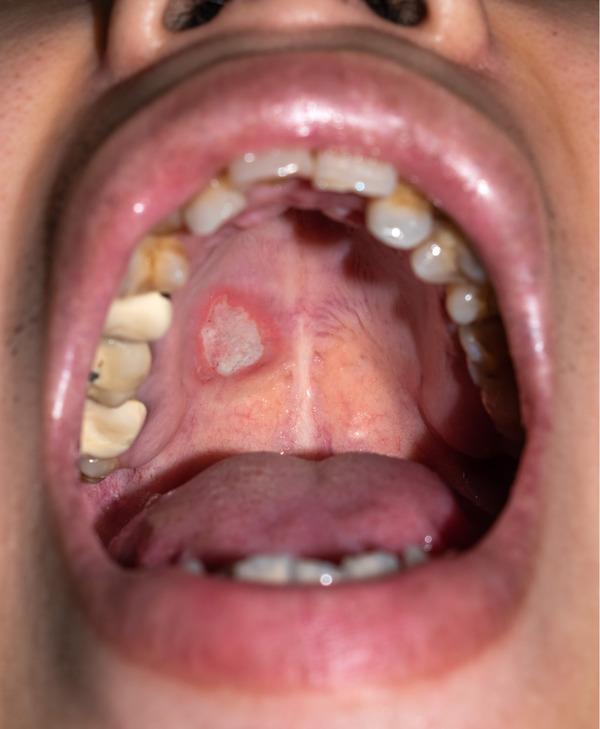
Persistent Ear Pain or a Feeling of Fullness
Most people associate ear pain with an ear infection, sinus pressure, or even TMJ. However, chronic, unexplained ear pain can sometimes indicate oral cancer.
How Does This Happen:
The nerves in the head, neck, and face are interconnected, meaning a tumour in the throat, tongue, or jaw can cause pain in the ear. This is known as referred pain—pain that originates in one part of the body but is felt in another.
What to Watch Out For
– A dull ache or sharp pain in one ear without any sign of infection
– A feeling of pressure or fullness in the ear
– Pain that persists for weeks despite treatment for ear infections
What You Should Do:
If you experience persistent ear pain or pressure with an obvious cause, see a doctor or dentist for further evaluation.
Difficulty Moving Your Tongue or Jaw
Struggling to move your tongue or jaw can indicate oral cancer affecting the muscles or nerves. Tumours in the mouth or throat can cause stiffness, discomfort, or restricted movement, interfering with speaking, eating, or even yawning.
What to Watch For:
– Trouble sticking out your tongue fully
– Jaw stiffness, tightness, or pain when opening your mouth
– A sensation of something being “stuck” when swallowing
What You Should Do:
If you regularly experience difficulty moving your tongue or jaw, it is important to seek medical or dental attention. A thorough examination can help determine the cause and whether further testing is needed.

Chronic Sore Throat That Won’t Go Away
A sore throat is a common cold, flu, or seasonal allergy symptom. However, it may be a red flag if it lasts longer than two weeks without any older cold symptoms.
Oral cancer can affect the throat, tongue, and soft tissues in the mouth, leading to ongoing irritation and discomfort. Cancerous growths in the throat can cause a persistent feeling of something being stuck or difficulty swallowing.

What to Watch For:
– A sore throat that lasts more than two weeks
– Hoarseness or voice changes that don’t improve
– A lump or swelling in the throat
What You Should Do
If a sore throat persists without improvement, even after trying over-the-counter treatments, schedule an appointment with your dentist or doctor to rule out serious conditions.
Numbness or Tingling in the Mouth, Face, or Neck
Numbness and tingling are often overlooked signs of oral cancer. If a tumour presses against nerves, it can reduce sensation in parts of the face, mouth, or neck.
What to Watch Our For:
– Numbness in the lips, tongue, or inner cheeks
– A tingling sensation (similar to “pins and needles”)
– Loss of feeling in part of the face or neck
What You Should Do:
If you experience unexplained numbness or tingling that lasts for days or weeks, consult a healthcare professional. Early detection can prevent further complications.
Unexplained Weight Loss
Many people don’t immediately connect weight loss with oral cancer. However, losing weight without trying could be due to difficulty chewing, swallowing, or chronic discomfort caused by a tumour.
What to Watch Out For:
– Sudden weight loss without a change in diet or exercises
– Reduced appetite due to pain when eating
– Difficulty chewing or swallowing food
What You Should Do:
If you’re experiencing unexpected weight loss and any other symptoms listed, consult your doctor or dentist for an evaluation.
Why Early Detection of Oral Cancer Matters
Oral cancer is most treatable when caught early. According to the American Cancer Society, the five-year survival rate for localized oral cancer is 85%, but that number drops significantly if cancer spreads to other parts of the body.
Routine dental checkups are important in identifying abnormalities. Dr. Amanda and our team provide oral cancer screenings as part of regular exams, ensuring our patients receive the best preventive care.
How to Protect Yourself Today
1. Check Your Mouth Regularly – look for unusual changes, such as sores, white or red patches or lumps.

2. Quit Smoking and Limit Alcohol – Tobacco and alcohol are major risk factors for oral cancers.
3. Eat a Healthy Diet – Protect your cells with antioxidant-rich foods (fruits and vegetables)
4. Schedule Regular Dental Checkups – A professional exam can detect early signs of cancer.
If you’ve noticed any of these symptoms or if it’s been a while since your last dental checkup, don’t wait; early detection saves lives.
At Nanton Dental, we help you keep your oral health at its best. If you’d like more personalized advice on maintaining your oral health, or if it’s time for your next checkup, contact us today at (403) 646-2465 or book online to schedule an appointment.