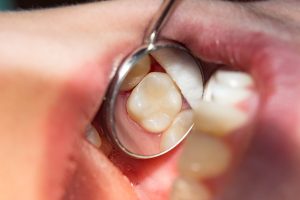

Most of us have had bad breath after coffee, garlic, or a long day. That is normal. But if the smell sticks around no matter how much you brush, chew gum, or use mouthwash, something else may be going on. You might be thinking, “I brush every day, so why is this happening?” The answer often has less to do with toothpaste and more to do with what is happening inside your mouth or even your body.
At Nanton Dental, we discuss this concern with patients regularly. Persistent bad breath is common, and the good news is that it is usually treatable once we identify the underlying cause.
What Actually Causes Long-Lasting Bad Breath?
Persistent odour usually comes from causes of bad breath that go beyond food. Bacteria are the main reason. These bacteria break down food particles and release sulphur compounds that have an unpleasant smell. Brushing helps, but it does not always remove the source.
Let’s look at the most common reasons:
Gum Disease Is a Major Cause
One of the top causes of bad breath we see is gum disease. When plaque builds up along the gumline, bacteria multiply. Over time, this can lead to swollen, bleeding gums and infection below the surface.
Here is the tricky part. Gum disease does not always hurt at first. You might only notice bleeding when brushing or flossing. But those deep pockets around the teeth trap bacteria and food, which leads to strong odours.
One thing to keep in mind is that mouthwash can temporarily mask the odour, but it cannot eliminate an infection under the gums. Professional cleanings and proper treatment through General Dentistry care are what actually solve the problem.

Dry Mouth Makes Things Worse
Saliva does more than you might think. It helps wash away food particles and keeps bacteria under control. When your mouth is dry, bacteria grow faster, which can lead to bad breath.
Dry mouth can happen for many reasons:
- Certain medications
- Mouth breathing, especially at night
- Dehydration
- Health conditions like diabetes
If you often wake up with a dry, sticky feeling in your mouth, that could be a clue. Drinking water helps, but we also look at the underlying reason. Treating dry mouth not only improves breath but also lowers the risk of cavities.
Bacteria on the Tongue Play a Big Role
You might brush and floss daily, but do you clean your tongue? A large amount of bacteria on the tongue can collect in its tiny grooves. This is one of the most overlooked causes of bad breath.
Those bacteria feed on leftover food particles and release odours. Gently brushing your tongue or using a tongue scraper can make a big difference. But if breath issues persist, it may indicate a deeper concern, such as gum disease or decay, that requires professional care.
Tooth Decay and Infections
Cavities and infected teeth can also cause strong odours. When decay progresses, bacteria hide in areas your toothbrush cannot reach. If a tooth infection develops, it may cause a bad taste in your mouth along with an odour.

You might notice:
- Tooth pain
- Sensitivity
- Swelling
- A bad taste that will not go away
These signs should never be ignored. Early treatment through General Dentistry can stop the infection and protect your overall health.
Tonsil Stones Can Cause Strong Odours
Here is something many people do not realise. Bad breath does not always come from the teeth or gums. Sometimes, the problem starts in the throat.
Tonsil stones, also called tonsilloliths, form when food particles, dead cells, and bacteria get trapped in the small crevices of the tonsils. Over time, this debris hardens into small white or yellow lumps. And yes, they can smell very strongly.
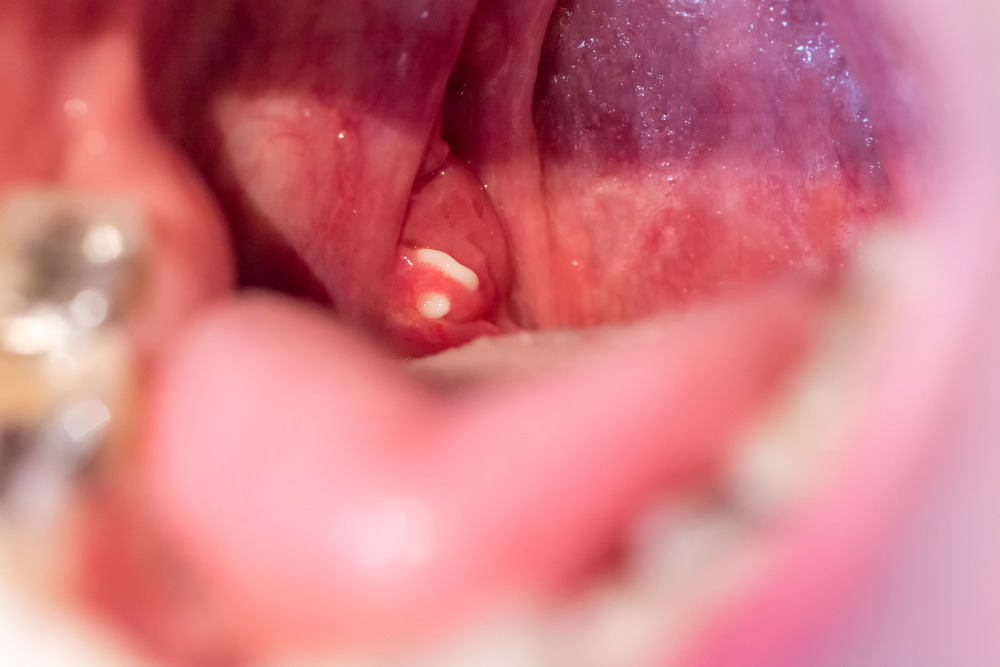
You might be thinking, “I have good oral hygiene, so how can this happen?” Even people who brush and floss well can develop tonsil stones. The tonsils naturally have folds that can trap debris, especially if you:
- Have large tonsils
- Experience frequent throat infections
- Have post-nasal drip or sinus issues
Tonsil stones often cause:
- Ongoing bad breath
- A bad taste in the mouth
- A feeling like something is stuck in your throat
- Occasional sore throat or coughing
While brushing, flossing, and tongue cleaning help, they usually cannot remove stones deep in the tonsils. Gargling with salt water may help loosen small stones, but larger or recurring stones may require medical attention.
At Nanton Dental, we thoroughly check the mouth when patients mention bad breath as a cause. If we suspect tonsil stones, we may recommend that you see your family doctor or an ear, nose, and throat specialist. Treating the root cause is the key to long-term improvement. Tonsil stones can also exist alongside issues like gum disease or dry mouth, so a full oral exam is still important.
Medical Causes Outside the Mouth
Sometimes, the source is not dental at all. Sinus infections, acid reflux, and certain medical conditions can affect breath. That is why a dental exam is often the first step. We rule out oral issues first. If everything looks healthy, we may suggest that you speak with your physician.

Why Professional Care Matters
You might feel embarrassed bringing this up, but you are not alone. Many patients in Nanton have shared the same concern, and they are relieved once they know the cause. We often hear comments like, “I wish I had asked sooner,” after the issue is treated.
At Nanton Dental, Dr Amanda and the team focus on practical, prevention-based care. We have years of experience helping families in the Nanton area stay healthy. A simple exam can reveal whether gum disease, tooth decay, bacteria on the tongue, or dry mouth is the cause. From there, we create a plan that fits your needs.
What You Can Do Right Now
While you wait for your appointment, here are a few helpful steps:
- Brush twice daily and floss every day
- Gently clean your tongue
- Drink plenty of water
- Avoid tobacco products
- Schedule regular cleanings
But remember, home care works best alongside professional visits.
Do Not Ignore Ongoing Bad Breath
Persistent odour is often your body’s way of saying something needs attention. And the sooner we find the cause, the easier it is to fix. Whether it is bacteria on the tongue, dry mouth, tonsil stones, or early gum disease, treatment can improve not just your breath but your overall oral health.
If you have noticed breath that will not improve, it may be time for a visit. A caring, judgment-free approach is what we are known for at Nanton Dental, and we are here to help you feel confident again.
Book your next appointment with Nanton Dental today and take the first step toward a cleaner, healthier, mouth.