

When it comes to oral health, most people focus on their teeth—but your gums deserve just as much attention. Gum disease (also known as periodontal disease) is one of the most common oral health issues among adults, yet it often goes unnoticed until it becomes serious.
At Nanton Dental, we often see patients who are surprised to learn they have early-stage gum disease. The good news is that, when caught early, it’s completely manageable and even reversible.
Let’s explore the early signs that often go unnoticed and what you can do to stop gum disease before it progresses.
What Is Gum Disease?
Gum disease is an infection of the tissues that support your teeth. It starts when plaque—a sticky film of bacteria—builds up along the gumline. Over time, this can lead to inflammation, bleeding, and, eventually, damage to the bone that supports your teeth.
There are two main stages:
- Gingivitis: The early, mild stage. Gums may become red or bleed during brushing, but there’s no permanent damage yet.
- Periodontitis: The more advanced stage, where the infection starts breaking down gum tissue and bone.
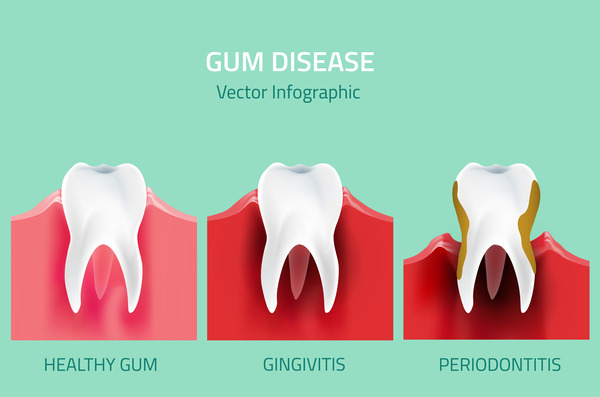
Catching gum disease during gingivitis is key—this is the stage when it’s easiest to treat.
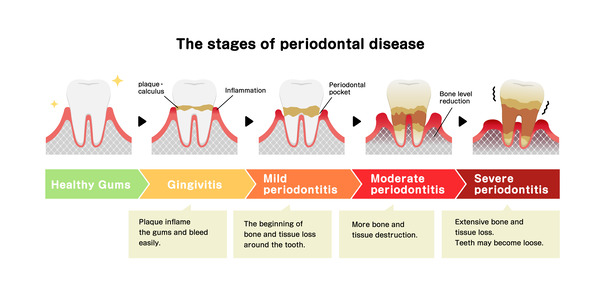
Here is a complete picture of the stages of periodontal disease.
Early Signs Many Adults Miss
Because gum disease often develops slowly and without pain, it’s easy to overlook. Watch out for these subtle signs:
- Bleeding gums when brushing or flossing
- Persistent bad breath or a bad taste in your mouth
- Swollen, red, or tender gums
- Gums pulling away from teeth (making teeth look longer)
- Shifting or loose-feeling teeth
If you’ve noticed any of these, it’s a good idea to schedule a dental exam. Even mild symptoms can signal early gum disease.
Why It Matters
Ignoring gum disease can do more than harm your smile—it can affect your overall health. Studies have linked advanced gum disease to conditions like diabetes, heart disease, and stroke.
Your gums are the foundation for your teeth. Once gum tissue or bone is lost, it’s challenging to restore completely. Early care prevents costly and complex treatments later on.
How to Stop Gum Disease Before It Starts
The best treatment for gum disease is prevention. Here’s how to keep your gums healthy day-to-day:
Visit your dentist regularly for cleanings and gum checks.
Brush twice daily using a soft-bristle toothbrush and fluoride toothpaste.
Floss or clean between teeth daily—this removes plaque that brushing alone can’t reach.
Rinse with an antibacterial mouthwash if recommended by your dentist.
Avoid smoking or vaping, which can increase your risk of gum infection.
Even with the best home care, some areas are impossible to clean without professional tools. Regular dental cleanings help remove plaque and tartar buildup before it causes inflammation.
Professional Gum Care at Nanton Dental

If we detect early signs of gum disease, treatment might include:
- A thorough cleaning to remove plaque and tartar above and below the gumline
- Scaling and root planing for deeper cleaning if bacteria have moved below the gums
- Personalized hygiene advice to help you maintain results at home
Dr. Amanda and our hygiene team will also monitor your gum health over time and recommend follow-ups based on your individual needs.
When to See a Dentist
If your gums bleed regularly, your breath doesn’t stay fresh, or you notice gum recession or tenderness, don’t wait until your next routine appointment. Gum disease progresses silently, and early care makes all the difference.

Healthy gums mean a healthy smile—and it starts with prevention.
If you’ve noticed any of the early signs of gum disease, contact Nanton Dental to schedule a check-up with Dr. Amanda. Together, we’ll help you protect your gums and keep your smile strong for years to come.
Contact us at (403) 646-2465 or book online to schedule an appointment. Ensure your smile stays strong, healthy, and pain-free for years to come.