

If you’ve had a cavity in the past, you likely have a dental filling helping to protect that tooth. Fillings are a tried-and-true way to restore tooth structure and prevent further decay, but they aren’t designed to last forever. Over time, the materials used in fillings can break down or weaken—leaving your tooth vulnerable again.
That’s why many patients at Nanton Dental ask Dr. Amanda, “How do I know when it’s time to replace a filling?” In this blog, we’ll explore the signs, risks, and benefits of staying ahead of aging dental work.
How Long Do Fillings Last?
Like most dental treatments, fillings have a limited lifespan. Their durability depends on the type of material used, your oral hygiene habits, and how much pressure that tooth handles during daily chewing. On average:
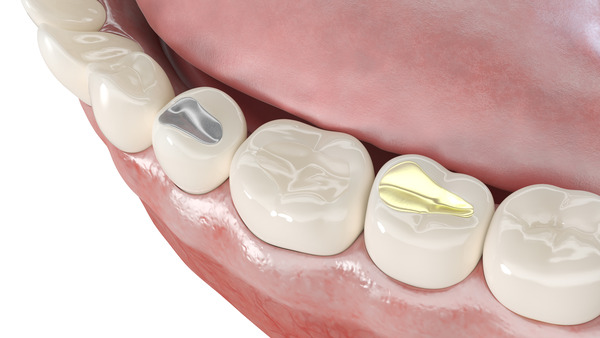
Amalgam (silver) fillings last between 10 and 15 years
Composite (tooth-coloured) fillings typically last 7 to 10 years
Gold fillings can last over 20 years with proper care
While these numbers offer a general guide, they don’t guarantee longevity. Even a well-placed filling may wear down faster under stress or if proper oral hygiene isn’t maintained.
Understanding these average lifespans sets a foundation for recognizing when your filling may need attention.
Why Do Fillings Need to Be Replaced?
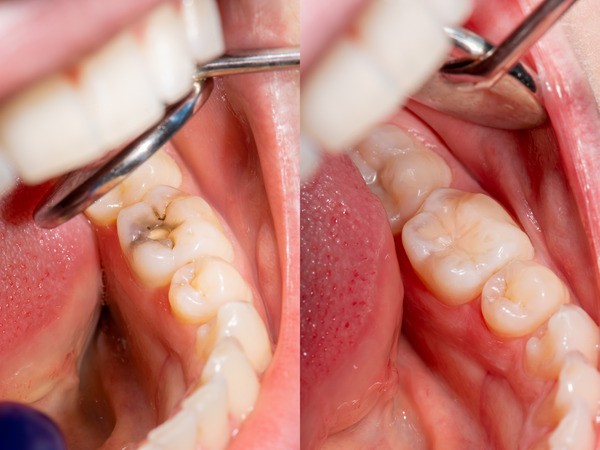
Fillings are strong, but they’re not immune to wear and tear. Over time, the material can crack, shrink, or separate from the tooth structure. This creates small spaces between the filling and the natural tooth, allowing bacteria to enter. Left unchecked, these gaps can lead to new cavities beneath the filling or even more serious infections.
When fillings no longer create a proper seal, your tooth is exposed again—often without your knowledge until symptoms appear.
Being proactive about replacement helps prevent minor problems from escalating into larger, more costly issues.
Common Signs Your Filling Might Be Failing
Recognizing the early warning signs of a failing filling can save you discomfort and money. Here are some symptoms to watch for:
- Tooth sensitivity, especially to hot, cold, or sweet foods and beverages
- Sharp or rough edges when running your tongue over the filling
- Discomfort or pressure when biting or chewing
- Visible cracks, chips, or discoloration around the filling
- A filling that has come loose or completely fallen out
If you notice any of these issues, it is important to schedule an appointment with Dr. Amanda as soon as possible.
Addressing a worn or damaged filling early can prevent deeper decay and the need for more invasive treatment, such as a root canal or crown.
Risks of Ignoring an Old or Damaged Filling
It might be tempting to put off replacing a filling—especially if it doesn’t hurt—but this delay can carry serious consequences. Once bacteria enter the compromised area, decay can quickly spread under the filling, weakening the tooth from the inside. You might not feel pain until the decay is advanced and more challenging to treat.
Even minor cracks or tiny gaps in the filling can expose the tooth’s inner structures to harmful bacteria. If not treated in time, this can lead to infection, abscesses, or even tooth loss.
Regular checkups allow Dr. Amanda to monitor the condition of your fillings and catch problems before they become emergencies.
Aesthetic and Functional Benefits of Modern Fillings
If your old fillings are made of silver amalgam, this might also be a good time to consider an upgrade. Many patients now choose tooth-coloured composite fillings for new cavities and replacement work. These fillings are durable and blend naturally with the rest of your teeth—offering a more aesthetically pleasing result.
In addition to making the tooth look better, composite materials bond directly to the tooth structure. This provides extra support and can reduce the risk of tooth cracking compared to older filling materials.
Upgrading your fillings improves more than just appearance—it can offer greater long-term stability and peace of mind.
What Happens During a Filling Replacement?
Replacing a filling is typically straightforward. First, Dr. Amanda will examine the area using dental instruments and possibly X-rays to determine the extent of any damage.
The old material is carefully removed if the filling needs to be replaced. The tooth is then cleaned, and the new filling is placed and shaped for a comfortable bite.
The appointment usually takes less than an hour, depending on how many fillings are replaced. Most patients experience minimal discomfort and can return to normal activities shortly afterward.

Understanding the process can help ease any anxiety and remind patients that timely treatment is always easier than dealing with complications later.
Preventative Checkups Help Catch Problems Early
At Nanton Dental, we check the condition of your fillings during every routine cleaning and examination. Even if you’re not experiencing symptoms, we may notice early signs of wear or potential failure that aren’t visible or noticeable at home. This allows us to recommend appropriate treatment before pain or infection develops.
These regular visits allow us to protect your oral health long-term with personalized care plans tailored to your dental history.
If it’s been a while since your last checkup, or if you have older fillings, now is a great time to schedule a visit.
Book Your Appointment with Dr. Amanda Today
Whether you’re experiencing discomfort, have concerns about an older filling, or want an opinion, Dr. Amanda and the team at Nanton Dental are here to help. We take the time to assess your unique situation and provide honest, informed guidance about whether a replacement is needed.
Don’t wait for a small issue to become a big problem. Contact us today at (403) 646-2465 or book online to schedule an appointment. Ensure your smile stays strong, healthy, and pain-free for years to come.