
We all know that stress can affect our mood, sleep, and overall health, but have you ever considered how it impacts your teeth and gums? At Nanton Dental, we often see the hidden consequences of stress show up in our patients’ mouths, sometimes before they even realize how stressed they are.
Understanding the connection between stress and oral health can help you take early action to protect your smile. Let’s explore the ways stress can affect your teeth, gums, and jaw—and what you can do to reduce the damage.
Stress and Teeth Grinding (Bruxism)
One of the most common dental issues linked to stress is teeth grinding, also known as bruxism. Many people unconsciously grind their teeth or clench their jaws when they’re anxious, often while they sleep. Over time, this habit can wear down tooth enamel, cause cracks or fractures, and lead to increased tooth sensitivity.
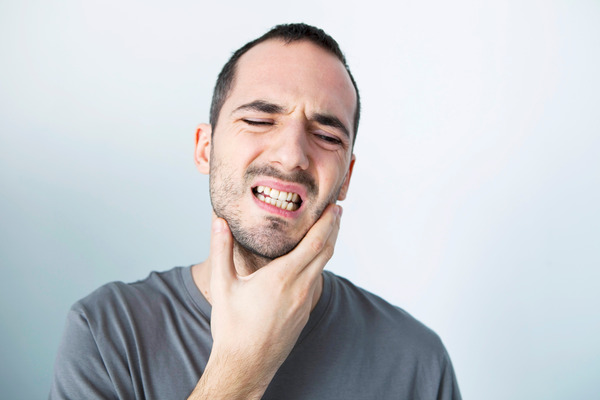
Even though bruxism often happens at night, some people also grind their teeth during the day when they’re focused, frustrated, or overwhelmed.
Because teeth grinding can cause long-term dental damage if left unchecked, it’s important to recognize the early signs.
Signs You Might Be Grinding Your Teeth
If you frequently wake up with a sore jaw, headaches, or sensitive teeth, you may be grinding your teeth without realizing it. You may also notice your teeth are starting to look flatter, or that you have small chips or cracks that weren’t there before.
These symptoms can often be subtle at first, which is why regular dental checkups are so important.
Your dentist can identify signs of grinding during a routine exam, even if you haven’t noticed the symptoms yourself yet.
The Impact of Jaw Clenching and TMJ Problems
Closely related to teeth grinding is jaw clenching, another stress-related habit that can lead to jaw pain and temporomandibular joint (TMJ) issues. The TMJ is the joint that connects your jaw to your skull, and when it’s overworked or inflamed, it can cause discomfort, clicking sounds, or even difficulty opening your mouth fully.
For some people, this can develop into a condition known as TMJ disorder, which may require specialized treatment such as dental splints, jaw exercises, or physical therapy.
Since TMJ problems can affect your ability to chew, speak, and enjoy daily life, addressing them early can prevent worsening symptoms down the road.
Stress Can Weaken Your Immune System—Including Your Gums
Stress doesn’t just affect your muscles and jaw—it can also compromise your immune system. When you’re constantly stressed, your body produces higher levels of cortisol, a hormone that can weaken your immune response.
This makes it easier for bacteria in your mouth to cause gum infections, such as gingivitis or periodontitis.
If you’ve been feeling overwhelmed and have noticed bleeding gums, bad breath, or gum sensitivity, stress may be playing a role in your oral health changes.
Gum Disease and Stress: A Two-Way Street
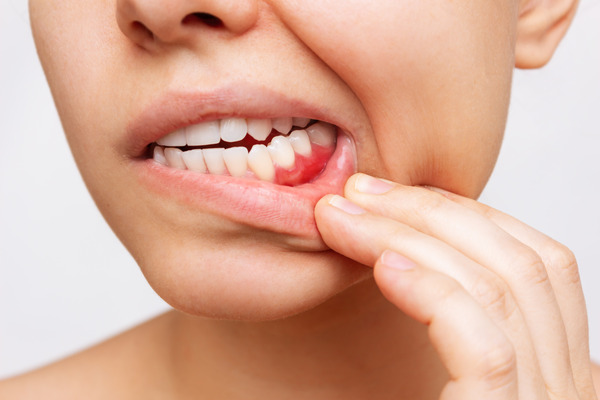
What’s interesting is that the relationship between stress and gum disease can become a vicious cycle. When your immune system is weakened by stress, gum inflammation can worsen. As a result, your gums may become more sensitive or painful, creating additional stress.
That’s why it’s essential to maintain good oral hygiene during stressful times—even when life feels too busy. Brushing twice a day, flossing daily, and visiting your dentist regularly can prevent minor gum problems from turning into more serious issues.
Canker Sores: Another Possible Side Effect of Stress
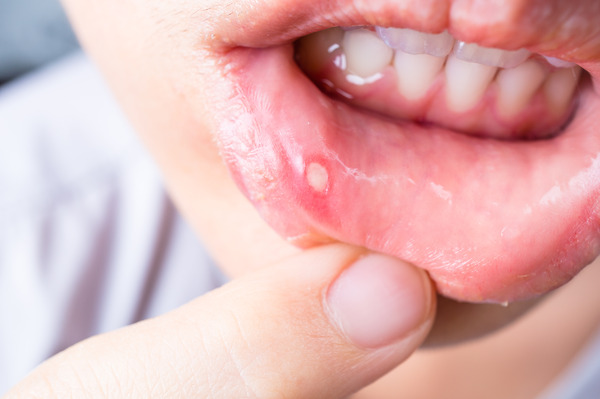
Have you ever developed a painful sore inside your mouth during a stressful week? Canker sores are small, round lesions that form on the inside of the lips, cheeks, or gums. While their exact cause isn’t fully understood, researchers believe stress is one of the primary triggers.
Although canker sores are not contagious or dangerous, they can make eating and speaking uncomfortable.
Fortunately, most heal on their own within one to two weeks. However, if you’re experiencing them frequently, it might be time to evaluate your stress levels and consult with your dentist for advice.
Dry Mouth and Stress: An Overlooked Connection
Another stress-related oral health issue is dry mouth, also known as xerostomia. Stress can alter the way your body produces saliva, resulting in a dry, sticky feeling in the mouth.
Saliva plays a crucial role in maintaining your teeth and gums’ health by washing away food particles and neutralizing acids. When your mouth is too dry, bacteria can multiply more easily, increasing the risk of cavities, gum disease, and bad breath.
The Role of Habits: Smoking, Snacking, and Neglect
In addition to the direct effects of stress on the body, it can also lead to unhealthy habits that harm your oral health. For example, some people cope with stress by smoking, drinking more coffee or alcohol, or turning to sugary snacks for comfort—all of which can damage teeth and gums.
Skipping daily brushing or flossing is another common issue that can occur when life feels overwhelming.
These behaviours may feel like minor slip-ups in the moment, but over time, they can contribute to cavities, gum disease, and other dental concerns.
How to Protect Your Oral Health During Stressful Times
The good news is that being proactive about your oral health can reduce the impact of stress. Start by maintaining your daily brushing and flossing routine, even when you’re tired or busy. Using a fluoride toothpaste and drinking plenty of water can also help strengthen your enamel and maintain your mouth’s health.
If you’re grinding your teeth at night, talk to your dentist about a custom night guard to protect your teeth while you sleep. Addressing stress itself is just as important as managing its symptoms; therefore, consider practicing relaxation techniques such as deep breathing, yoga, or regular exercise.
When to See Dr. Amanda
If you’ve noticed any changes in your oral health during stressful periods—such as jaw pain, bleeding gums, or increased cavities—it’s a good idea to book an appointment with your dentist. At Nanton Dental, we can assess your mouth, recommend solutions, and help you prevent minor issues from developing into more significant problems.
Regular checkups enable us to monitor your teeth and gums over time, guiding how to manage stress-related dental concerns. By staying ahead of potential problems, you can safeguard your oral health, regardless of what life throws your way.

Your Health is Connected
It’s easy to think of oral health as separate from the rest of your well-being, but the truth is, your mouth is closely linked to your entire body. Stress doesn’t just live in your mind—it shows up physically, and your teeth and gums are often the first place it leaves clues.
Taking care of your oral health during stressful times is an investment in your overall wellness.
If you’re dealing with stress and worried about how it might be affecting your teeth, Nanton Dental is here to help. Contact us today at (403) 646-2465 or book online to schedule an appointment. Ensure your smile stays strong, healthy, and pain-free for years to come.