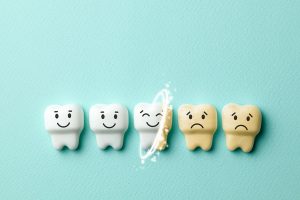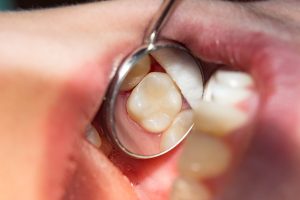

When most people think of cavities, they picture a painful toothache. While tooth pain is a common symptom, cavities often start with much more subtle signs. You can have tooth decay developing long before it ever causes obvious discomfort.
At Nanton Dental, Dr. Amanda and our team believe in catching cavities early—before they require more extensive treatment. Knowing the less obvious signs can help you take action quickly and protect your oral health.
Here are five subtle signs you might have a cavity.
1. Tooth Sensitivity That Won’t Go Away
If you notice a sharp twinge when eating or drinking something hot, cold, or sweet, it may be more than just temporary sensitivity. Cavities can wear down your enamel, exposing the underlying dentin layer of the tooth. This layer contains tiny nerve endings that react to temperature changes and certain foods.

Occasional sensitivity can be normal, but if it happens often or lingers after you’ve eaten, it’s worth booking a checkup. The earlier a cavity is detected, the smaller and easier it will be to treat.
While sensitivity is one of the most common early warning signs, visual changes to your teeth can be just as telling.
2. Discolouration or Dark Spots on the Tooth
Tooth decay doesn’t always cause dramatic changes right away, but one of the earliest visible signs can be small spots that are brown, black, or even white. These discoloured areas may indicate the beginning of enamel breakdown.
You might only notice them in certain lighting or when looking very closely in the mirror. Even if there’s no pain, any unexplained spot on a tooth should be checked by your dentist.
In addition to changes you can see, cavities can also create problems you can smell or taste.
3. Persistent Bad Breath or an Unpleasant Taste
If you’re brushing and flossing regularly but still dealing with bad breath, a cavity could be the cause. Bacteria feed on the decaying area of the tooth and can produce a lingering odour or metallic taste in your mouth.
Because bad breath can also be caused by gum disease or other dental issues, it’s important to have it evaluated by a professional. Dr. Amanda can determine the source and provide the right treatment.
Sometimes, the first clue isn’t something you can smell—it’s something you can feel with your tongue.
4. Rough or Sharp Edges on the Tooth
Sometimes a cavity can cause the surface of your tooth to feel uneven. You might notice a tiny hole, a rough spot, or even a sharp edge when running your tongue along your teeth.
These small changes happen when decay weakens the enamel and starts to break down the tooth structure. Left untreated, the damage can spread deeper, leading to pain or infection.
Another physical change to watch for is when food begins to get stuck in a particular tooth consistently.
5. Food Getting Stuck in the Same Spot

If you’ve noticed that food tends to get trapped in a specific tooth more often than others, it could be a sign of a cavity forming. As decay progresses, it creates small openings or gaps where food particles can easily lodge.
Not only can this cause discomfort, but it also provides more fuel for bacteria, which speeds up the decay process. Flossing will help temporarily, but only dental treatment can address the underlying problem.
Why Early Detection Matters
Cavities don’t heal on their own. Once tooth enamel is damaged, it cannot regenerate naturally. However, catching a cavity early means the treatment is usually simple and painless—often just a small filling.
If left untreated, decay can spread deeper into the tooth, eventually reaching the nerve and causing infection. At that stage, treatment becomes more complex and may require a root canal or crown.
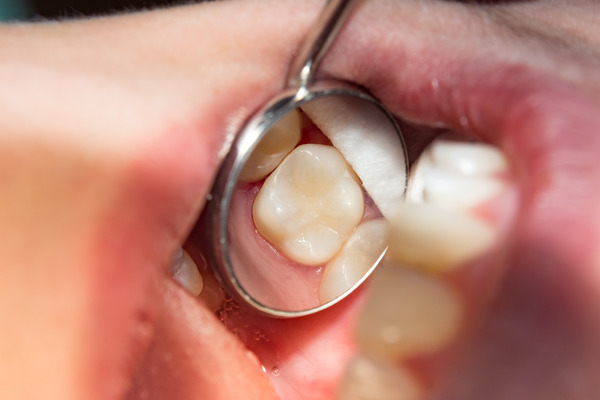
The best way to prevent cavities from progressing is to schedule regular dental checkups. During your visit, Dr. Amanda can spot early signs of decay—often before you notice any symptoms.
Protecting Your Smile from Cavities
You can reduce your risk of cavities by:
- Brushing twice a day with fluoride toothpaste
- Flossing daily to remove plaque between teeth
- Limiting sugary and acidic foods
- Drinking water instead of sweetened beverages
- Scheduling professional cleanings and exams every six months
These simple steps, combined with early detection, can help you maintain strong, healthy teeth for years to come.

Cavities often start quietly, but they don’t have to catch you by surprise. If you’ve noticed any of these subtle signs—sensitivity, discoloration, bad breath, rough edges, or food getting stuck—it’s time to book a dental exam.
At Nanton Dental, we’re here to help you keep your smile healthy with gentle, personalized care. Call our office today to schedule your next appointment and give your teeth the attention they deserve. Contact us at (403) 646-2465 or book online to schedule an appointment. Ensure your smile stays strong, healthy, and pain-free for years to come.