
Brushing your teeth is one of the most important daily habits for keeping your smile healthy. Most patients understand the value of brushing twice a day with fluoride toothpaste, but the question we often hear at Nanton Dental is: “Do I really need to floss if I brush well?”
It’s a fair question. Brushing takes care of the noticeable buildup on the surface of your teeth, so many people assume that’s enough. But the truth is, brushing alone only addresses part of the problem. Flossing fills in the gaps—literally—by cleaning where toothbrush bristles can’t reach.
Brushing vs. Flossing: What’s the Difference?
Brushing is excellent for scrubbing away plaque and food debris from the visible surfaces of your teeth. It reaches the tops, sides, and chewing surfaces effectively. But toothbrush bristles cannot get in between teeth or under the gumline, where bacteria love to hide.

That’s where flossing comes in. Floss slides into the tight spaces between your teeth and along the gumline, removing plaque before it hardens into tartar. Without flossing, you’re leaving about one-third of your tooth surface uncleaned every day.
What Happens If You Don’t Floss?
Skipping flossing doesn’t just mean a little leftover plaque. Over time, bacteria in those hard-to-reach areas produce acids that break down enamel and irritate your gums. This can lead to cavities between teeth—the kind that often aren’t visible until they’re advanced.
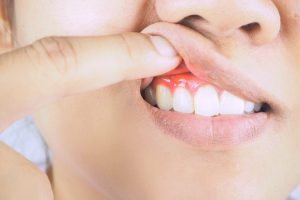
Even more importantly, gum disease usually begins between teeth where plaque builds up unchecked. Red, swollen, or bleeding gums are often the first warning sign. If left untreated, gum disease can progress to bone loss, tooth loss, and even affect your overall health.
The Link Between Gum Health and Overall Health
Many patients are surprised to learn that oral health doesn’t just affect their mouth. Research has shown strong connections between gum disease and serious conditions such as heart disease, diabetes, and stroke. Bacteria from untreated gum infections can enter the bloodstream, creating inflammation throughout the body.
This means that flossing isn’t just about avoiding cavities or bleeding gums—it’s about protecting your long-term health. By cleaning between your teeth, you’re lowering your risk of both oral problems and systemic health issues.
The Benefits of Daily Flossing
When you add flossing to your routine, the difference can be significant. Patients who floss regularly report fewer cavities, healthier gums, and fresher breath. That’s because flossing removes food particles and bacteria that brushing leaves behind.
It also reduces gum bleeding over time. If your gums bleed when you start flossing, that’s not a reason to stop. It’s usually a sign of inflammation, and with consistent flossing, the bleeding will decrease. Think of flossing as giving your gums a workout—the more consistent you are, the stronger and healthier they become.
What If You Don’t Like Traditional Floss?

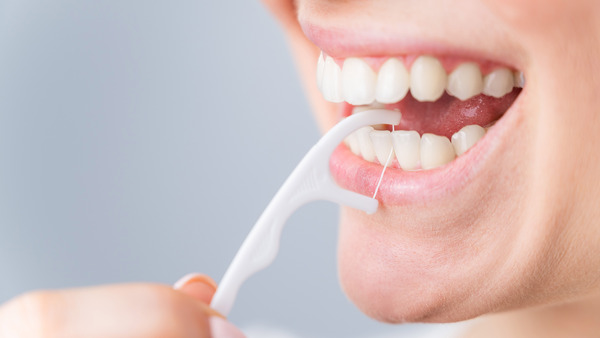
Some patients struggle with string floss. It can feel awkward, time-consuming, or difficult to use—especially for children, teens with braces, or seniors with limited dexterity. The good news is that there are alternatives.
Floss picks, interdental brushes, and water flossers are all effective tools that can make cleaning between your teeth easier and more comfortable. Ask Dr. Amanda during your visit which option might be best for your smile. The key is not the tool itself, but making sure you’re consistently cleaning those hard-to-reach areas.
Common Flossing Myths
It’s also worth addressing a few myths we hear in the office:
- “Flossing makes my gums bleed, so I must be doing harm.” In reality, bleeding means your gums are inflamed and need more—not less—attention. With regular flossing, the bleeding usually goes away.
- “I only need to floss right before my dental appointment.” Cavities and gum disease don’t develop overnight. Daily flossing is what keeps problems from building up between visits.
- “If I brush carefully, flossing isn’t necessary.” Even the best brushing can’t reach between your teeth. Flossing isn’t optional—it’s an essential partner to brushing.
Clearing up these misconceptions helps patients understand that flossing is not an extra chore, but a vital part of oral health.
Professional Support Matters
Even with great habits at home, plaque and tartar can still build up in hard-to-reach areas. That’s why regular professional cleanings are so important. During your visit, our hygienists remove hardened deposits, check for signs of decay or gum disease, and show you the best flossing techniques for your needs.
At Nanton Dental, we take time to answer your questions and make sure you feel confident about your oral care routine. Partnering at home with daily flossing and in-office care is the best way to maintain a healthy, lifelong smile.

So, do you really need to floss if you brush well? The answer is a resounding yes. Brushing and flossing work together—one cleans the surfaces you see, the other cleans the spaces you don’t. Skipping flossing leaves your teeth and gums vulnerable to cavities, gum disease, bad breath, and even systemic health issues.
The good news is, it only takes a few minutes a day to protect your smile. Whether you use traditional string floss, picks, or a water flosser, what matters is consistency. If you’ve been putting it off, now is the perfect time to start.
At Nanton Dental, Dr. Amanda and our team are here to help you keep your teeth and gums in their best shape. Schedule your next checkup with us today, and let’s make sure your flossing routine is working for you. Contact us at (403) 646-2465 or book online to schedule an appointment. Ensure your smile stays strong, healthy, and pain-free for years to come.