

Good oral health is not only about brushing and flossing regularly; it also includes your diet and what food or drinks go into your mouth. While most of us know the need to avoid sugary snacks, other less obvious foods can harm your teeth. The risk these foods pose isn’t solely about causing cavities; they can also lead to enamel erosion, staining, and even physical damage to your teeth. This article dives into various foods and drinks that might risk your dental health. By understanding these harmful effects, you can make more informed choices that protect your smile for years. Join us as we explore the common dietary culprits and learn how to enjoy your favourite treats responsibly, ensuring your teeth stay healthy and strong.
Acidic Foods and Beverages
One of the significant threats to dental health is the consumption of acidic foods and beverages, which can erode tooth enamel—the hard outer layer of your teeth. This erosion occurs because the acid in these foods and drinks temporarily softens the enamel, making it more susceptible to wear and damage. The softened enamel can then wear away, exposing the underlying dentin or causing sensitivity and increasing the risk of cavities.
Examples of acidic foods and beverages include:
- Citrus fruits: Such as lemons, oranges, and grapefruits, which are naturally high in citrus acid.
- Carbonated soft drinks: Both regular and diet sodas contain phosphoric and citric acids, which harm tooth enamel.
- Vinegar-based products: Including many salad dressings and pickled foods, which have a high acidity level due to their vinegar content.

Tips for consuming these foods safely:
- Drink water afterwards: Water can help neutralize and wash away the acids from your teeth, reducing the chance of enamel erosion.
- Use a straw: When drinking acidic beverages, using a straw can help limit acid exposure to your teeth.
- Wait before brushing: After consuming acidic foods or drinks, wait at least 30 minutes before brushing your teeth. Brushing too soon can damage the softened enamel.
- Eat acidic foods as part of a meal: Combining acidic foods with other types of foods can help neutralize the acids and reduce their impact on your teeth.
Understanding how acidic foods and beverages affect your teeth and following these tips can help protect your enamel from unnecessary damage, keeping your smile healthy and strong..
Sugary Foods and Drinks
Regarding dental health, sugar is one of the primary culprits behind tooth decay. The process starts when sugar in food and drinks interacts with the bacteria in your mouth to form acid. This acid ultimately attacks the tooth enamel, leading to the formation of cavities.
Examples of sugary foods and drinks include:
- Candy: Especially sticky or gummy candy that clings to the teeth and prolongs exposure to sugar.
- Sugary desserts: Cakes and cookies contain high amounts of sugar and can stick to the teeth.
- Sweetened beverages: Including soda and fruit juices, which can coat the teeth in sugar with every sip.

Preventive strategies after consuming sugary treats:
- Rinse with water: After eating sugary foods, swish your mouth with water to help dilute the sugars and wash away food particles.
- Chew sugar-free gum: Chewing gum increases saliva production, which helps neutralize acid and remineralize tooth enamel.
- Maintain regular brushing and flossing: Brushing twice daily and flossing daily is crucial for removing sugar and plaque from the teeth and gums.
- Schedule regular dental check-ups: Regular visits to the dentist can help prevent problems caused by sugar, as well as identify and treat decay before it becomes severe.
By understanding how sugar impacts your dental health and implementing these strategies, you can help protect your teeth from the damaging effects of sugary foods and drinks.
Starchy Foods
Starchy foods might not seem as obviously damaging as sugary snacks, but they can be just as harmful to dental health. When you eat starchy foods such as bread, potato chips, or pasta, your saliva’s enzymes break them down into sugars almost immediately. This conversion starts in the mouth and continues as the food travels through your digestive system. The resulting sugars stick to your teeth and can feed the bacteria that cause tooth decay just as effectively as the sugars in candy.
Examples of starchy foods include:
- Bread: Soft, chewy breads can easily get caught between teeth.
- Potato chips: Their crispiness and tendency to fragment make chips linger on the teeth and gums.
- Pasta: Though not often considered a risk, pasta’s refined carbohydrates convert to sugars that cling to teeth.

Cleaning tips to minimize their impact on teeth:
- Drink water while eating: Water helps wash away food particles and sugars, reducing their presence in the mouth.
- Brush and floss regularly or rinse with mouthwash: Brushing at least twice daily and flossing daily can remove food particles trapped between teeth and the gum line. A mouthwash can help dislodge food particles and sugars that brushing and flossing might miss.
- Eat starchy foods with meals rather than as snacks: When consumed as part of a larger meal, saliva production increases, which helps rinse food particles from the mouth and neutralize plaque acids.
By understanding the effects of starchy foods on your dental health and employing these cleaning tips, you can help protect your teeth from potential decay and maintain a healthier mouth.
Hard Foods
While often enjoyable to eat, hard foods pose significant risks to your dental health by potentially causing physical damage, such as chips, cracks, or fractures to your teeth. This damage can lead to painful dental issues and costly repairs.
Examples of hard foods include:
- Ice: Chewing on ice can crack or chip teeth due to its cold temperature and hard texture.
- Hard candies: Like ice, when bitten into, hard candies can lead to chipped or broken teeth and pose a risk due to prolonged exposure to sugar.
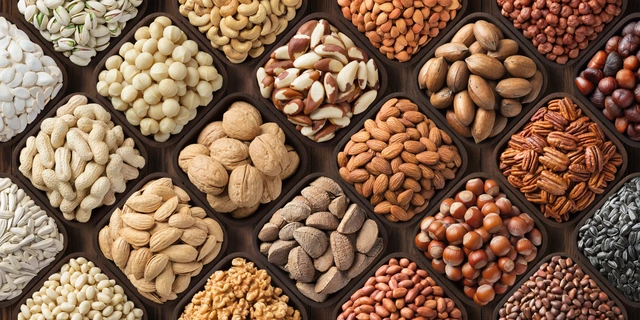
- Nuts: Although nutritious, nuts are often hard enough to stress the teeth during chewing, especially if you bite unexpectedly on a particularly hard piece.
Advice on how to enjoy these foods without risking tooth damage:
- Choose smaller pieces: Instead of biting into large pieces, break or cut hard foods into smaller, manageable pieces that are less likely to cause stress on your teeth.
- Dissolve rather than chew: Let hard candies dissolve in your mouth instead of chewing them. This reduces the risk of chipping your teeth.
- Be mindful while eating: Pay attention when you eat hard foods to avoid biting down too hard, and use your back teeth for chewing, as they are stronger and less prone to damage.
- Opt for softer alternatives: When possible, choose softer alternatives that are easier on your teeth but still satisfy your craving, such as chopped nuts instead of whole ones or softer, chew-friendly sweets.
Sticky Foods
Sticky foods are particularly harmful to dental health because they cling to the teeth longer than other types of food, providing a constant fuel source for bacteria that cause tooth decay. The longer these foods stick to the teeth, the more time bacteria have to produce harmful acids that attack tooth enamel.
Examples of sticky foods include:
- Dried fruit: While often considered a healthy snack, dried fruits like raisins, apricots, and figs are high in sugar and have a sticky texture that adheres to teeth.
- Caramel: This chewy confection is notoriously sticky and can remain on the teeth long after eating, continuing to feed oral bacteria.
- Syrupy sweets: Foods like marshmallows or gummy candies, which contain high levels of sugar and have a gooey texture, stick to teeth and can get caught between them, leading to an increased risk of cavities.

Recommendations for dental care after consuming sticky foods:
- Brush and floss thoroughly: After eating sticky foods, it’s crucial to brush and floss your teeth to remove any food particles that may have lodged in your teeth and gums.
- Rinse with water or mouthwash: If brushing immediately isn’t an option, rinsing your mouth with water or an antibacterial mouthwash can help dislodge sticky residues and neutralize acids.
- Chew sugar-free gum: Chewing sugar-free gum helps increase saliva production, which naturally cleanses the teeth and neutralizes the acids produced by oral bacteria.
- Visit your dentist regularly. Regular dental check-ups and cleanings can help address issues caused by sticky foods and keep your teeth and gums healthy.
Understanding the risks associated with sticky foods and following these dental care tips can help protect your teeth from decay and maintain good oral health.
Beverages That Stain Teeth
Certain beverages can leave behind stains on your teeth, and with repeated exposure, these stains can become more difficult to remove. Apart from their staining properties, many of these drinks are also acidic, which can contribute to the weakening of tooth enamel, making your teeth more prone to decay and sensitivity.
Examples of teeth-staining beverages include:
- Coffee: Known for its deep colour and high tannin (a staining component) content, coffee can easily stain teeth, giving them a yellowed appearance over time.
- Tea: Like coffee, the tannins in black, green, and herbal teas can lead to staining and discoloration of teeth.
- Red wine: Red wine’s dark colour does not cause staining alone; it is also acidic and contains tannins, which can erode enamel and promote staining.

Tips for reducing staining:
- Use a straw: For cold beverages like iced coffee or iced tea, using a straw can help minimize contact with the teeth.
- Rinse with water: After consuming staining drinks, swish your mouth with water to help reduce the residue that can lead to stains.
- Drink in moderation: Reducing the frequency of drinking these beverages can help keep staining to a minimum.
- Maintain good oral hygiene: Regular brushing and occasional whitening toothpaste can help manage and reduce staining.
- Professional cleaning: Regular dental cleanings can remove surface stains and protect your enamel from further damage.
By being mindful of how you consume these beverages and taking steps to minimize their impact, you can help keep your teeth brighter and healthier.
Understanding the impact of what we eat and drink on our dental health is crucial for maintaining a healthy smile. While enjoying foods and beverages such as acidic fruits, sugary snacks, starchy meals, hard candies, sticky desserts, and staining drinks, it’s important to consider their potential harm to our teeth. Implementing preventive measures like rinsing with water, using a straw, brushing and flossing regularly, and attending dental check-ups can significantly mitigate these risks. Being proactive and mindful about our dietary choices allows us to enjoy our favourite treats without compromising our oral health. Protecting your teeth today lays the foundation for a healthier, brighter smile tomorrow.



Recent Comments